Small Buoys.
Big Picture
What is Divestream
Divestream is a low-cost, modular sensor buoy platform for continuous nearshore water quality monitoring. Instead of one expensive buoy per site, a single hub connects to a fleet of smaller, cheaper sensor nodes spread across an area, making it affordable to monitor at a density existing platforms can't match.
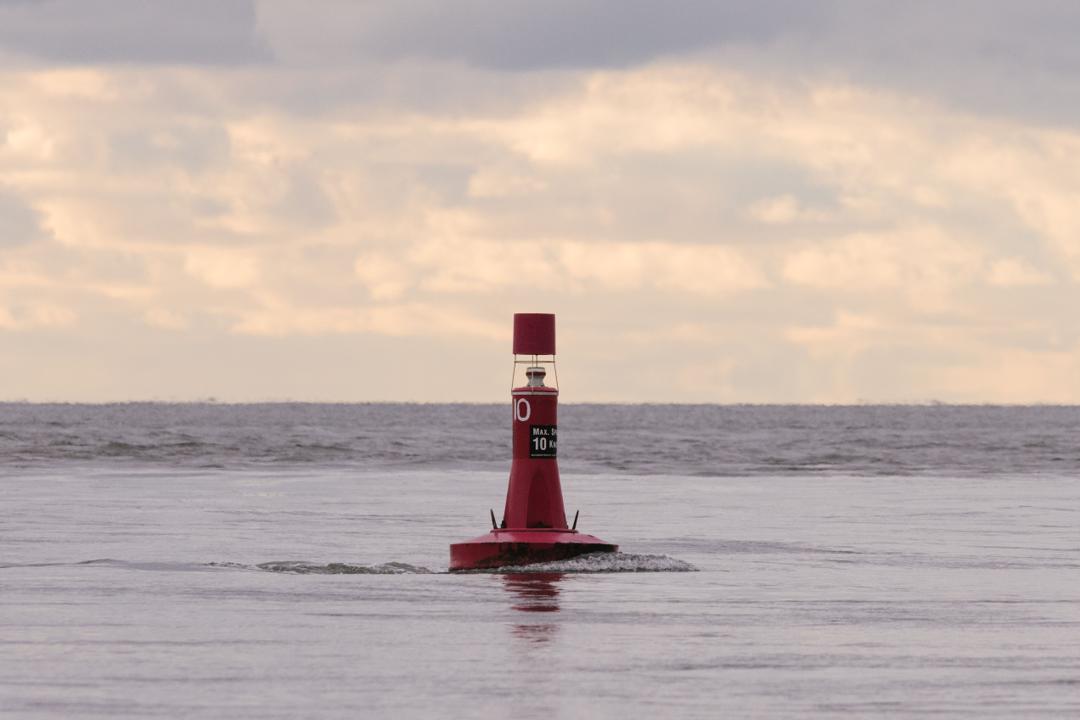
Continuous water quality monitoring, without the cost of a fleet of expensive buoys.
The Facts
2009
Australia's main ocean climatology (CARS) is still largely built on data from 2009.
~35,000
Australia's coastline length in kilometers, most of it with no continuous water quality monitoring.
80%
of the population live on the coast.
250+
Australian councils responsible for managing coastal climate risk.
Our Mission
Turn coastal monitoring from reactive to proactive, catching change as it happens, not after the damage is already done.
South Australia is currently experiencing the largest harmful algal bloom in thecountry's recorded history, affecting more than 40% of the state's coastline since March 2025. It's the kind of event thin, sparse monitoring catches too late.
A low-cost way to see what's happening in Australia's coastal waters, all the time, not just when someone visits.

The Specs

- Sensor suite
- TurbidityWater temperatureAmbient temperatureLight
- Architecture
Hub-and-spoke network enabling dense spatial monitoring at scale.
- Connectivity
Two-way cellular uplink. Data streams continuously to the dashboard, and commands, including sensor sampling intervals, can be sent back to the device remotely, with no physical access required.
- Power
The buoys are designed around low power consumption, with the sleep-cycled architecture supporting reporting as often as every 2 minutes even under worst-case winter solar conditions.

Divestream is developed through the UTS startup incubator, with conversations for pilot deployment underway.